

The Nature of Luck in Gambling
Luck is often interpreted as a random factor that significantly impacts the outcomes in various forms of gambling. While skill and strategy undeniably play a role in some games, luck remains a pivotal element that can either elevate or diminish a player’s experience. In games of chance such as slots or roulette, luck is the primary driving force behind wins and losses, making it a crucial concept for gamblers to understand, especially when using betting apps that can enhance their gaming experience. The inherent randomness of these games means that outcomes are unpredictable, adding an element of excitement that draws players in.
Every gambler has tales of fortunate streaks, where they seem to be on a roll and can do no wrong. These experiences can boost confidence and lead players to chase more significant wins, sometimes ignoring the underlying reality that luck can be fleeting. In contrast, bad luck can lead to a downward spiral, where players may feel discouraged and question their strategies, often leading them into further losses. This phenomenon highlights the dual nature of luck, where it can serve as both a motivator and a detractor in a player’s gambling journey.
The unpredictability of luck makes gambling both thrilling and maddening. It contributes to the excitement of awaiting results, as players can never predict where the chips may fall, literally or metaphorically. Understanding the nature of luck can help gamblers maintain a balanced perspective, recognizing that while they can influence outcomes through strategy, luck ultimately holds sway over the final results. This comprehension encourages players to enjoy the game for its entertainment value rather than solely focusing on financial gain.
Gambling Strategies and Luck
While luck is essential in gambling, players often employ various strategies to improve their odds. For example, in games like poker, a player’s skill in reading opponents and making calculated decisions can enhance their chances of winning. However, no amount of strategy can guarantee success without the element of luck, illustrating the delicate balance between skill and chance. Even the most skilled players find that a single unlucky hand can drastically alter the course of a game, emphasizing the unpredictable nature of gambling.
Even the most experienced gamblers acknowledge moments when luck overrides skill. A well-timed bluff might succeed or fail depending solely on an opponent’s hand, thereby highlighting the unpredictable nature of luck in gambling scenarios. Many players learn to accept that factors outside their control can and will influence the outcome of their games, no matter how skilled they may be. This acceptance can lead to a healthier approach to gambling, where players focus on what they can control while acknowledging the role of luck.
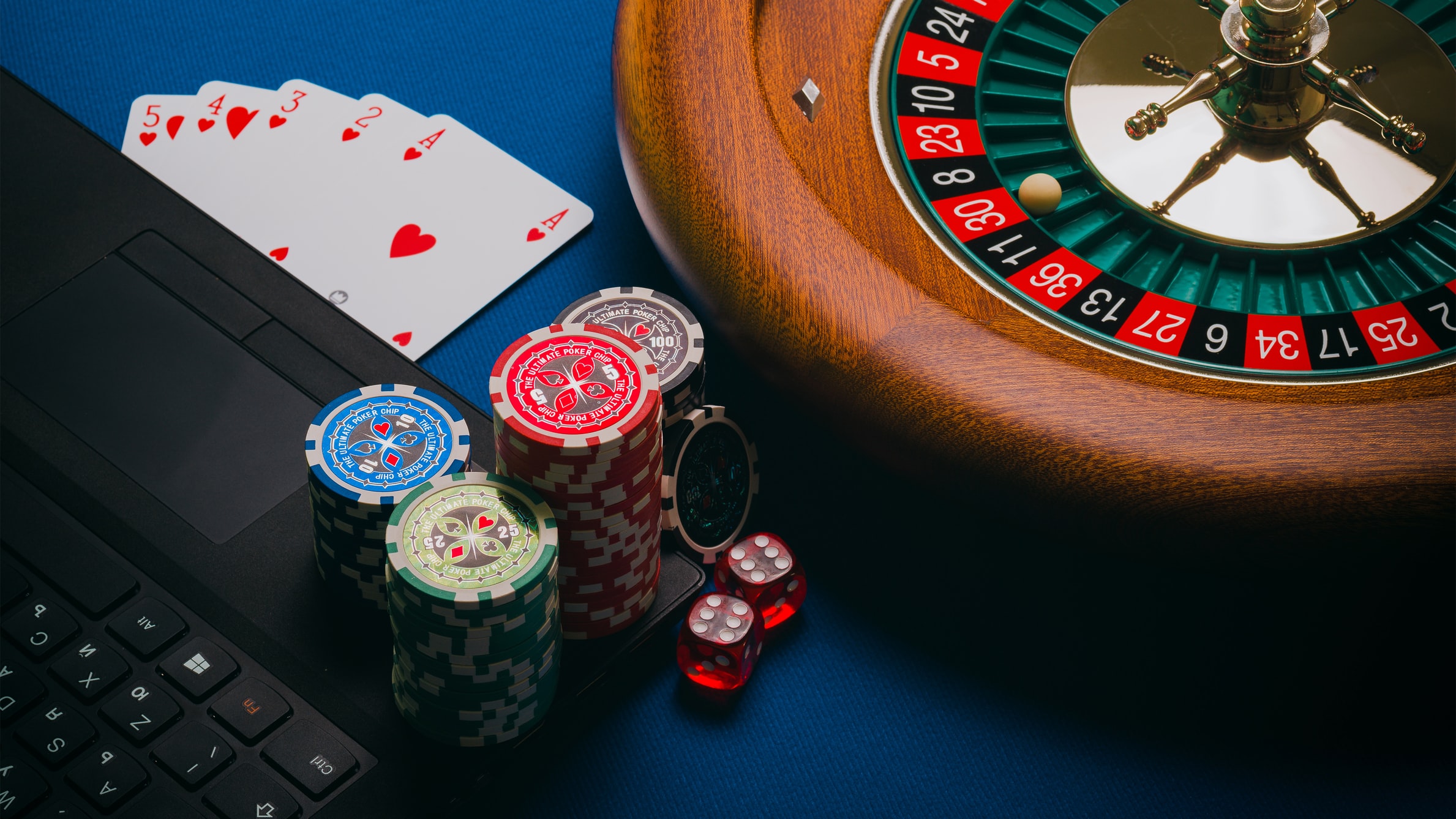
Moreover, betting systems and strategies such as the Martingale or Paroli can be employed to manage risk, yet they still hinge on the unpredictable element of luck. Gamblers must approach these strategies with the understanding that even the best-laid plans can falter when faced with a streak of bad luck, reminding them that ultimately, the house edge cannot be entirely overcome by strategic maneuvers alone. Players should recognize that while strategies can provide a framework for decision-making, luck will always play a significant role in the final outcome.
The Psychology of Luck in Gambling
The psychological impact of luck in gambling is profound, influencing players’ behaviors, attitudes, and decisions. Beliefs about luck can affect how players approach their gaming experience, leading to either optimistic or pessimistic outlooks. For instance, players may develop personal rituals or superstitions that they believe enhance their luck, demonstrating how perception can intertwine with actual luck in the gambling environment. This psychological aspect can create a unique relationship with the games they play, where belief in luck can be as powerful as the luck itself.
Addiction to the thrill of gambling often stems from the rollercoaster ride of lucky wins and unlucky losses. The euphoric feeling associated with winning is powerful, often prompting players to chase that high repeatedly, even when facing long losing streaks. This cycle can create a gambling habit that’s hard to break, as individuals become enmeshed in the belief that luck will eventually turn back in their favor. Understanding this psychological trap is crucial for gamblers to maintain a healthy relationship with gaming.
Understanding the psychology of luck allows gamblers to navigate the emotional ups and downs of gaming more effectively. By recognizing the fleeting nature of luck and its profound psychological effects, players can foster healthier gambling habits and temper their expectations. This awareness can lead to more responsible gaming practices, where players enjoy the entertainment aspect of gambling without becoming overly reliant on luck for their success. It encourages a more balanced view of gambling, where enjoyment is prioritized over the chase for wins.
The Role of Luck in Different Gambling Games
The influence of luck varies significantly across different gambling games, from pure chance games like slots to skill-based games like blackjack. In games of pure chance, such as lottery draws and dice rolls, luck is the only factor determining the outcome. Players can strategize to some extent (such as choosing which lottery numbers to play), but ultimately, their success hinges squarely on luck. This distinction is vital for setting realistic expectations about potential winning outcomes in these types of games.

Conversely, in skill-based games like poker or blackjack, while luck still plays a part, the player’s decisions and strategies become equally pivotal. A skilled poker player might win against less experienced opponents not just because of luck but also through their tactical gameplay and ability to read situations. Thus, luck serves as a complementary force to skill in many gambling scenarios, affecting outcomes differently depending on the game being played. This interplay between skill and luck offers a richer gambling experience, where players can constantly strive to improve their abilities.
Understanding the role of luck in these different games can help players set realistic expectations about their potential for success. In luck-reliant games, the approach may lean more toward entertainment, while in mixed-skill games, players might focus on improving their strategies. Recognizing these distinctions can help gamblers engage with their chosen games more effectively, whether they are seeking high-stakes excitement or casual fun. This awareness helps players cultivate a more enjoyable gambling experience that aligns with their personal goals and preferences.
Conclusion on Luck and Gambling
In conclusion, luck undoubtedly plays a vital role in the world of gambling, influencing outcomes in varying degrees depending on the game being played. Players must understand that while strategies can enhance their chances, they cannot eliminate luck from the equation. This fundamental truth is what keeps the gambling experience engaging and unpredictable, offering both exhilarating highs and devastating lows. It is essential for players to embrace the duality of luck and skill, recognizing that both elements contribute to their overall experience.
By acknowledging the complex relationship between skill, strategy, and luck, gamblers can cultivate a more balanced perspective on their gaming experiences. Embracing luck as an inherent part of gambling can alleviate the pressure associated with losses, allowing players to focus on enjoyment rather than solely on outcomes. This shift in mindset can lead to a healthier relationship with gambling, ensuring that it remains a source of entertainment rather than stress. In doing so, players can appreciate the journey rather than fixate solely on the destination.
Ultimately, as players navigate their gambling journeys, the understanding of luck’s influence can empower them to enjoy their experiences responsibly. Whether playing for fun or aiming for a win, appreciating the role of luck will help them engage with the full spectrum of emotions gambling has to offer, making the ride all the more thrilling. This comprehensive view of luck’s role not only enhances the enjoyment of gambling but also contributes to a more fulfilling and mindful approach to gaming.